
If you’ve ever walked out of at a doctor’s appointment with a referral for an MRI, CT scan, or Xray, you might be wondering why a particular test was chosen. Each of them produces images of what is happening within the body. Why aren’t the two interoperable?
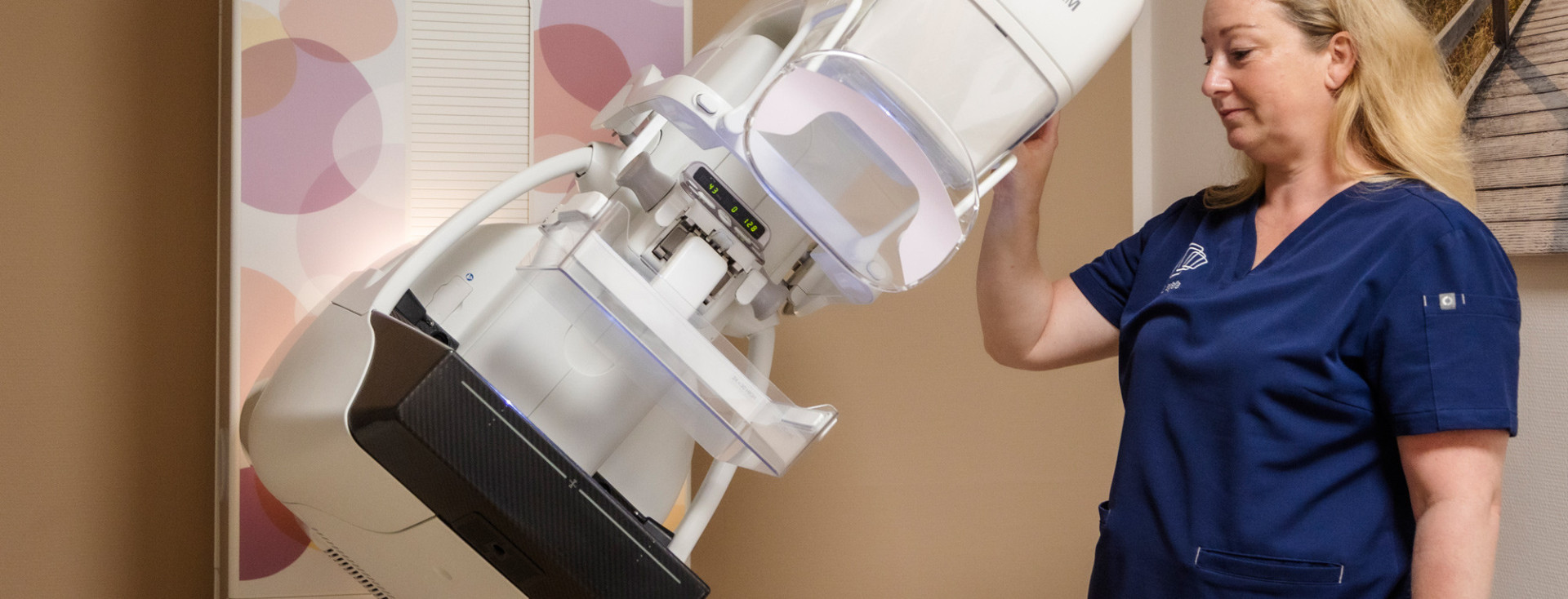
Image credit: diagnostikzentrum-wolfsburg.de
Modern diagnostic imaging functions much like an instrument box. Different technologies provide information in a different manner and the most appropriate method to employ depends on the area of the body being examined as well as the specific question to be addressed. In the Wolfsburg Diagnostics center, a range of imaging technologies is available to meet different demands for diagnosing.
MRI examines the body Without Ionizing Radiation
Magnetic resonance imaging, also known as MRI utilizes radiofrequency technology and magnetic fields rather than ionizing radiation to create detailed images. MRI is especially useful for imaging a variety of organs, soft tissues, joints, and other internal structures. A patient suffering from a joint problem, for example, may need information that is not available by a standard X-ray.
The Wolfsburg Diagnostic Center also provides special prostate MRI and whole-body MRI examinations. These applications utilize MRI’s capability to provide precise images, without exposing patients to radiation ionization.
CT provides detailed cross-sectional view
The way that computed-tomography uses imaging is different. CT imaging is made by combining Xrays with computer processing. Instead of creating a single standard image, CT allows internal anatomy to be examined as slices, which provides doctors with a different method of examining some medical questions.
The center uses low-dose CT an advanced technology that limits radiation exposure to get the necessary information for diagnosis. CT imaging is also beneficial for treating. Periradicular therapy, commonly referred to as PRT is a method of using CT guidance to ensure targeted injections for nerve irritations.
The traditional X-ray has an important job
The usage of traditional radiography is not obsolete. Digital X-ray diagnostics are a fast and efficient way to obtain images that could be beneficial for various kinds of exams. Modern digital systems are also able to work with less radiation in comparison to earlier methods. For more information, click here radiologie Wolfsburg
Sometimes, the most difficult examination may not be the best one. It is important to choose a device which is most effective in answering medical questions rather than the most recent machines.
Breast Imaging has its own unique technology
Mammography is a diagnostic tool that is designed specifically for breast cancer. Alongside traditional mammography and MRI, the Wolfsburg Diagnostic Center provides 3D mammography. This is also referred to as tomosynthesis. The technology creates multiple images that can be reconstructed to offer a layer view of breast tissue. It is crucial to utilize special imaging since different areas of the body pose different problems for diagnosis.
A fresh image could be more effective by using an old one
A scan of the present provides an overview of the body’s condition today. Comparing scans from the past with the current one is equally helpful.
If medical professionals have earlier images and results that they have, they might be better equipped to evaluate the changes in time rather and interpret the results of the current examination on its own. Patients are encouraged to bring previous images and findings to appointments.
Understanding the process aids patients understand the technology better.
The Wolfsburg Diagnostic Center It combines MRI as well as CT with digital radiographs, 3D mammography, and image-guided treatment. Its focus is on the communication of patients and their organization.
The center provides patients with clarified explanations for the exams as well as medical procedures. Educational videos are also offered. The short waiting time and the coordinated scheduling are also part of the center’s strategy. Modern diagnostic medicine relies on sophisticated equipment. However, a scan should not feel like a technical procedure that isn’t described.
Understanding the reason behind and what to expect from a certain examination can help patients feel more knowledgeable. It can also make the most advanced medical technology easier to understand.