
The municipality has an old wastewater lift station. The pumps are coming to the expiration date of their useful life span, the controls require modernization as well as the access hatch has become damaged. Although the concrete wetwell appears structurally sound, it’s time to be updated.
Do you think the station should be completely removed? Not necessarily. The more useful question is whether the current infrastructure can support a modern pumping system without compromising reliability, maintenance access or future capacity.
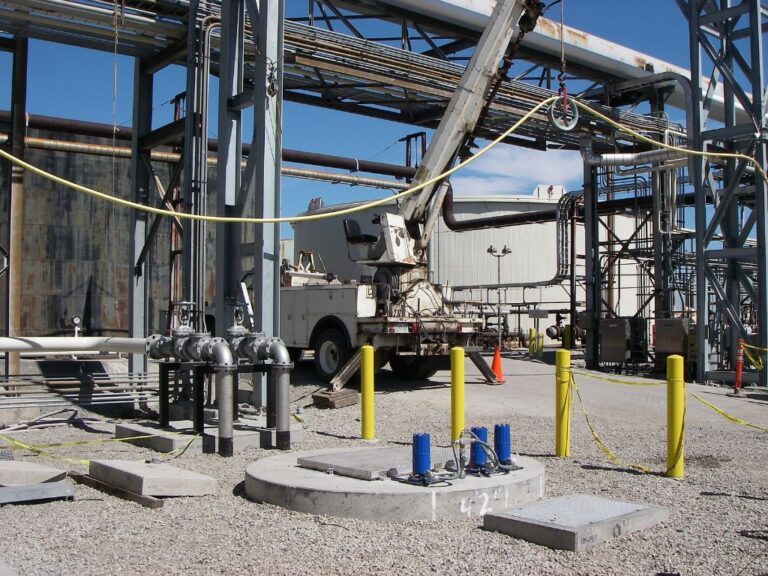
Image credit: romtecutilities.com
A carefully engineered pump station retrofit can preserve valuable infrastructure while replacing components that no longer meet operational requirements.
Start with the Structures That Nobody Wants To Replace
Wet wells are often the most costly and disruptive component to replace as they are submerged and linked to existing pipes, and vital to wastewater collection.
Retaining a concrete construction that is still usable could reduce the excavation and construction.
But, any deterioration in the vicinity of the access hatch can complicate your choice. Romtec Utilities identifies wet well hatch replacement as an usual retrofit requirement. It might be more reliable to repair the top slab instead of attaching a new hatch to a deteriorated concrete. This could increase the accessibility to the structure as well as prolong its use, without the need to completely rebuild the wet well.
The technology behind pumps that are more powerful is distinct
Suppose a residential neighborhood has seen a significant increase in population since the first lift station was built. The existing pumps might not be able with the increased flow of wastewater.
Pumps with more horsepower may be used to upgrade a pumping station, but the equipment has to be integrated into the system. Pumps with greater horsepower could require adjustments to discharge elbows, piping and pipework and electric controls, valves and other components.
The engineers should also take into consideration the hydraulic requirements of the system, which includes the rate of flow and the dynamic head total. If you choose to upgrade a pump without considering these factors it could create operational issues rather than solve them. Making plans for future capacity in the designing the initial design makes expansion later significantly easier.
Make sure that the wastewater is kept moving during Construction
Retrofitting a wastewater pump station is a unique problem which is not faced by other construction projects. The station may have to be operational for the duration of construction.
Contractors continue working and the wastewater will continue to flow. According to the report it is possible that a temporary bypass pumping system could be required to ensure service is maintained as the equipment that is in use is removed or new parts are installed.
Romtec Utilities tackled this type of challenge in the Federal Law Enforcement Training Center located in Brunswick, Georgia.
The project involved replacing two aging wastewater lifting stations, and maintaining operation at this facility. Specific engineering for the site packaging systems, packaged systems and bypass pumping techniques made it possible to meet existing station footprints as well as operational needs. This illustrates the importance of taking time to consider the construction sequence prior to installing.
If replacement is the best alternative, then replacement is the best
Some stations may not be suited for rehabilitation. Sewer lift stations might have to be rebuilt for a damaged or insufficiently functioning wet well. capacity for structural strength.
It is important that the choice taken into consideration structural requirements along with equipment compatibility, accessibility to construction, as longer-term operational requirements. Romtec Utilities starts retrofitting and replacing projects by identifying elements that will remain as well as those that require to be replaced.
The company can then design engineering solutions that are specific to the location, initial plans and budget estimates. Prefabricated parts are also helpful to organize installation and reduce certain on-site demands.
The Project is not Fully Complete Until the Pumps are Started
The modernized lift station should work as a whole. Prior to returning it back to regular service, startup testing and commissioning helps ensure that the pumps, controls, and associated equipment perform according to the design approved.
Manuals for maintenance and operation and instruction for operators are essential. Before taking on the responsibility of the station, personnel responsible for maintenance should be familiar with the latest equipment, procedures and also the documents.
Retrofitting infrastructure successfully preserves its value, while also eliminating the limitations that prompted modernization.
Municipalities and property owners have to consider more than immediate repairs. The most successful projects incorporate new equipment with existing structures. They provide essential services while construction is underway and also prepare the pumping systems for a lifetime of operation.